Track Calorie Burn Without Smartwatch: 5 Free Methods (2024 Guide)
Learn 5 proven ways to track calories burned without expensive wearables. Free methods using your phone, simple calculations, and apps. Start tracking today—no smartwatch needed!
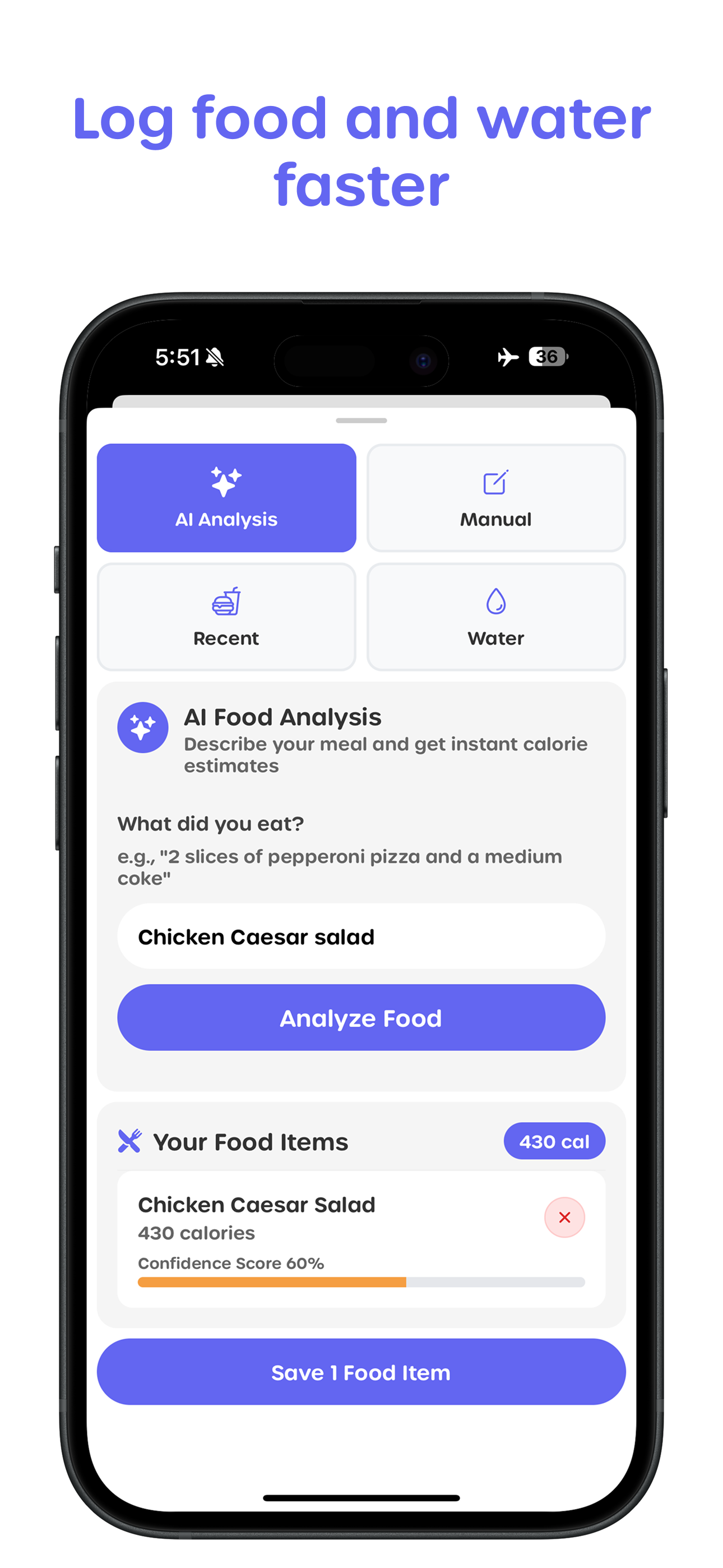
You don't need a smartwatch to track your calorie burn effectively. While wearables can be helpful, there are numerous reliable methods to estimate calories burned during your workouts using simple tools, calculations, and mobile apps. This guide will show you practical ways to track calorie burn without breaking the bank.
Why Track Calorie Burn?
Understanding your calorie burn helps you:
- Balance Energy: Match your intake to your output for weight management
- Set Realistic Goals: Understand what's achievable with your activity level
- Track Progress: See improvements in your fitness capacity
- Plan Nutrition: Fuel your body appropriately for your activity level
- Stay Motivated: Visualize the impact of your workouts
Understanding Calorie Burn Basics
Factors That Affect Calorie Burn
Several factors influence how many calories you burn:
Body Composition
- Muscle mass burns more calories than fat
- Heavier individuals burn more calories doing the same activity
- Body size affects metabolic rate
Activity Intensity
- Higher intensity burns more calories per minute
- Duration matters—longer workouts burn more total calories
- Type of activity affects burn rate
Individual Factors
- Age affects metabolic rate
- Gender influences calorie burn
- Fitness level impacts efficiency
- Genetics play a role
METs: The Standard Measurement
Metabolic Equivalent of Task (MET) is a standard way to measure activity intensity:
- 1 MET: Resting metabolic rate
- 3-6 METs: Moderate intensity activities
- 6+ METs: Vigorous intensity activities
- 10+ METs: Very high intensity activities
Method 1: Online Calorie Calculators
How They Work
Online calculators use formulas based on:
- Your weight and height
- Activity type and duration
- Intensity level
- Age and gender
Best Calorie Calculator Websites
Several reliable options exist:
Comprehensive Calculators
- Include multiple activity types
- Account for various intensity levels
- Provide detailed breakdowns
- Offer additional metrics
Activity-Specific Calculators
- Focus on particular sports or exercises
- More accurate for specialized activities
- Include technique considerations
- Provide sport-specific insights
How to Use Them Effectively
Get Accurate Results
- Enter your current weight accurately
- Be honest about intensity level
- Include warm-up and cool-down time
- Account for rest periods
Consider Limitations
- Estimates are approximations
- Individual variation exists
- Form and efficiency matter
- Environmental factors affect burn
Method 2: Mobile Apps Without Wearables
Photo-Based Tracking Apps
Modern apps can estimate calories from workout photos and descriptions:
How It Works
- Take photos of your workout
- Describe your activity
- App estimates calorie burn
- Logs automatically to your diary
Advantages
- Quick and convenient
- No additional hardware needed
- Integrates with nutrition tracking
- Provides visual records
Manual Entry Apps
Apps that let you log activities manually:
Features
- Extensive activity database
- Customizable intensity levels
- Duration tracking
- Historical data storage
Best Practices
- Log immediately after workouts
- Be consistent with intensity ratings
- Include all activity components
- Review and adjust estimates
Method 3: Heart Rate-Based Estimation
Using Heart Rate Zones
Even without a smartwatch, you can estimate intensity:
Perceived Exertion Scale
- Rate your effort from 1-10
- Correlate to heart rate zones
- Use to estimate calorie burn
- Track improvements over time
Talk Test Method
- Moderate: Can talk but not sing
- Vigorous: Can only say a few words
- Maximum: Cannot speak
- Use to gauge intensity
Manual Heart Rate Monitoring
Check your pulse manually:
How to Take Your Pulse
- Find your pulse (wrist or neck)
- Count beats for 15 seconds
- Multiply by 4 for beats per minute
- Compare to target zones
Target Heart Rate Zones
- 50-60%: Light activity
- 60-70%: Moderate activity
- 70-85%: Vigorous activity
- 85-100%: Maximum effort
Method 4: Activity-Specific Formulas
Running and Walking
Use distance and pace to estimate calories:
Basic Formula
- Calories ≈ 0.63 × weight (lbs) × distance (miles)
- Adjust for pace and terrain
- Add 10-20% for hills
- Subtract for slower paces
Pace Adjustments
- Faster pace = higher burn
- Uphill = increased burn
- Downhill = reduced burn
- Trail running = higher burn
Strength Training
Estimate calories from your workout:
Factors to Consider
- Total volume (sets × reps × weight)
- Rest periods between sets
- Exercise complexity
- Muscle groups worked
General Estimates
- Light lifting: 3-5 calories per minute
- Moderate lifting: 5-7 calories per minute
- Heavy lifting: 7-10 calories per minute
- Circuit training: 8-12 calories per minute
Cycling
Calculate burn from cycling metrics:
Distance-Based
- Calories ≈ 0.4 × weight (lbs) × distance (miles)
- Adjust for speed and terrain
- Add for hills and resistance
- Account for bike type
Time-Based
- Leisurely: 4-6 calories per minute
- Moderate: 6-8 calories per minute
- Vigorous: 8-12 calories per minute
- Racing: 12+ calories per minute
Method 5: The Simple Math Approach
Basic Calorie Burn Estimates
Quick estimates for common activities:
Low Intensity (3-4 calories/minute)
- Walking at 2 mph
- Light stretching
- Gentle yoga
- Household chores
Moderate Intensity (5-7 calories/minute)
- Brisk walking
- Recreational cycling
- Light swimming
- Dancing
High Intensity (8-12 calories/minute)
- Running
- Intense cycling
- High-intensity interval training
- Competitive sports
Very High Intensity (12+ calories/minute)
- Sprinting
- Heavy lifting
- Intense circuit training
- Competitive athletics
Calculating Total Burn
Multiply your rate by duration:
- Determine your intensity level
- Find calories per minute for that intensity
- Multiply by workout duration
- Adjust for your weight (heavier = more burn)
- Add 10-20% for intensity variations
Method 6: Tracking Consistency Over Precision
Focus on Patterns
Rather than exact numbers, track trends:
Weekly Totals
- Sum your estimated burns
- Compare week to week
- Look for consistency patterns
- Identify improvement trends
Activity Minutes
- Track total active minutes
- Monitor intensity distribution
- Ensure variety in activities
- Maintain consistency
Relative Tracking
Compare your activities to each other:
Activity Ranking
- Know which workouts burn more
- Understand intensity differences
- Plan high-burn days strategically
- Balance with recovery
Progress Indicators
- Same workout feels easier = improved fitness
- Can do more volume = increased capacity
- Higher intensity possible = better fitness
- Faster recovery = improved conditioning
Combining Methods for Accuracy
Use Multiple Approaches
Increase accuracy by cross-referencing:
Primary Method
- Choose one main tracking approach
- Use consistently for comparison
- Build historical data
- Track trends over time
Validation Methods
- Check estimates with calculators
- Compare to perceived exertion
- Validate with heart rate checks
- Review with activity formulas
Building Your Personal Database
Create your own reference guide:
Track Everything
- Log all activities
- Note how you felt
- Record perceived intensity
- Track improvements
Review Regularly
- Identify patterns
- Adjust estimates
- Refine your understanding
- Improve accuracy over time
Common Mistakes to Avoid
Overestimating Burn
Be realistic about calorie burn:
- Don't Count Rest: Only count active time
- Be Honest About Intensity: Moderate isn't vigorous
- Account for Efficiency: Fit people burn fewer calories doing the same activity
- Consider Form: Poor form may reduce actual burn
Underestimating Activity
Don't forget about daily movement:
- Track All Activity: Include walking, stairs, daily movement
- Count Active Recovery: Light activity still burns calories
- Include NEAT: Non-exercise activity thermogenesis matters
- Account for Fidgeting: Small movements add up
Making Tracking Sustainable
Keep It Simple
The best method is one you'll use:
Choose One Primary Method
- Don't overcomplicate
- Stick with what works
- Build consistency first
- Add complexity later
Make It Quick
- Use fast entry methods
- Save common workouts
- Use templates
- Minimize data entry time
Focus on What Matters
Prioritize actionable insights:
Trends Over Exact Numbers
- Weekly patterns matter more than daily precision
- Consistency beats accuracy
- Progress direction is key
- Long-term trends tell the story
Use Data to Improve
- Identify what works
- Adjust based on results
- Experiment with activities
- Optimize your routine
Conclusion
Tracking calorie burn without a smartwatch is not only possible but can be highly effective. By using online calculators, mobile apps, heart rate estimation, activity formulas, or simple math, you can get reliable estimates of your calorie expenditure.
Remember, precision matters less than consistency and trends. The goal is to understand your activity patterns and use that information to support your fitness goals, not to achieve perfect accuracy.
Ready to start tracking your calorie burn? Download YOMP and begin monitoring your workouts today. Our app makes it easy to log activities, estimate calorie burn, and stay on track with your fitness goals—no smartwatch required.
Next Steps:
- Choose a tracking method that works for you
- Start logging your workouts
- Track your calorie burn estimates
- Review patterns weekly
- Adjust your approach based on results
Remember, the best tracking method is the one you'll use consistently. Start simple, stay consistent, and let the data guide your fitness journey.