The Psychology Behind Successful Fitness Tracking Habits: Science-Based Insights
Understand the psychological principles that make fitness tracking habits stick. Learn how to leverage behavioral science for better tracking consistency.
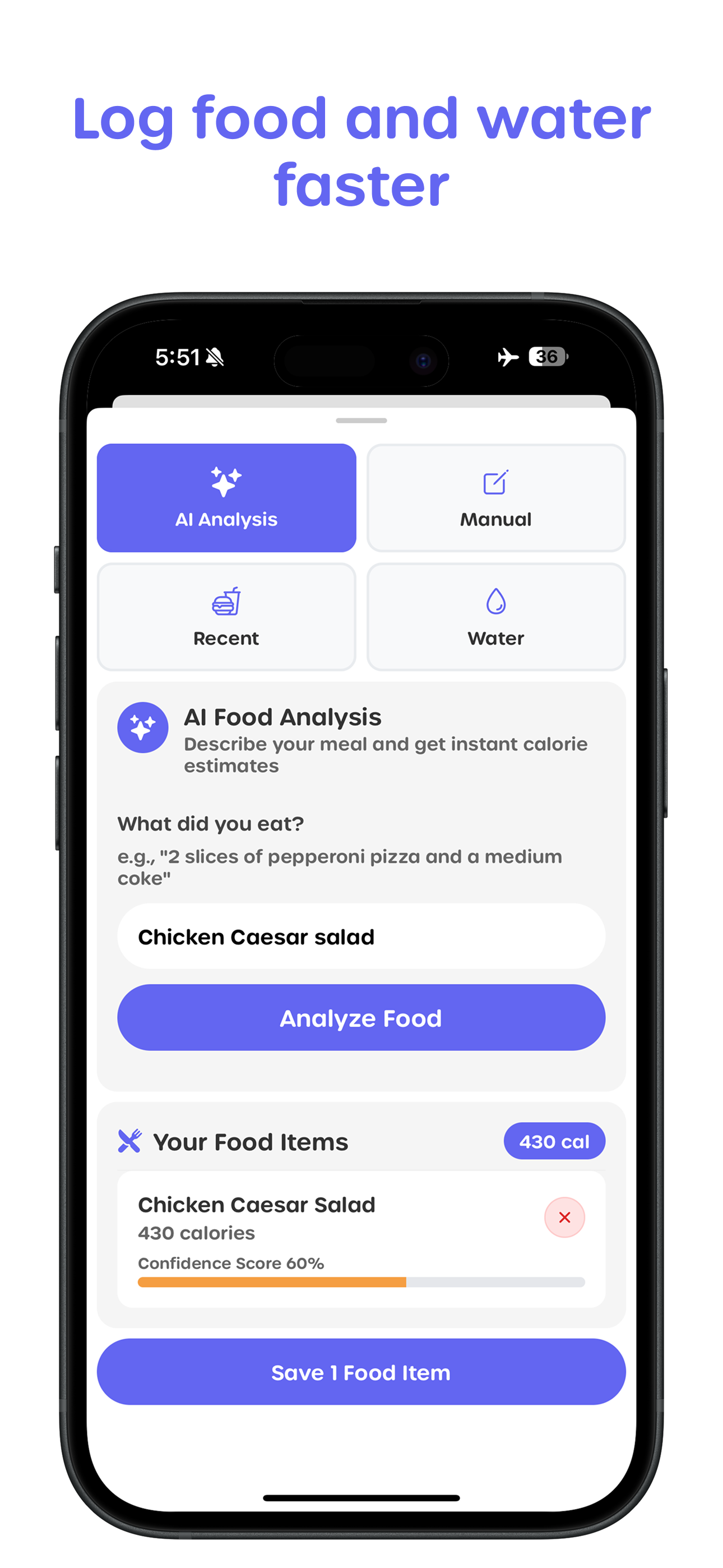
Understanding the psychology behind fitness tracking can transform how you approach building consistent habits. Behavioral science reveals why some people maintain tracking routines while others struggle. This guide explores the psychological principles that make fitness tracking habits successful and how you can apply them.
The Habit Formation Process
How Habits Are Formed
Habits form through a three-part loop:
Cue
- Trigger that starts the behavior
- Can be time, location, emotion, or other people
- Creates automatic response
- Signals it's time to act
Routine
- The behavior itself
- What you actually do
- The tracking action
- Repetitive pattern
Reward
- Benefit you get from the behavior
- Can be intrinsic or extrinsic
- Reinforces the habit
- Makes you want to repeat
Applying This to Tracking
Create Clear Cues
- Set specific times for tracking
- Use location triggers (after meals, after workouts)
- Link to existing habits
- Make cues obvious and consistent
Simplify the Routine
- Make tracking quick and easy
- Reduce friction points
- Use fastest methods available
- Minimize decision-making
Design Rewards
- Immediate visual feedback
- Streak maintenance
- Achievement recognition
- Progress celebration
The Power of Immediate Feedback
Why Immediate Feedback Matters
Immediate feedback is crucial because:
Closes the Loop
- Connects action to outcome
- Provides instant gratification
- Reinforces behavior
- Creates satisfaction
Reduces Uncertainty
- Shows your effort matters
- Provides confirmation
- Validates your actions
- Creates clarity
Builds Momentum
- Each entry feels like progress
- Creates forward movement
- Maintains motivation
- Supports consistency
How Apps Provide This
Visual Confirmation
- See entry appear instantly
- Watch streaks grow
- View progress charts
- Get immediate validation
Achievement Systems
- Badges unlock immediately
- Points accumulate in real-time
- Levels progress instantly
- Rewards are immediate
Loss Aversion and Streaks
The Psychology of Loss Aversion
People feel losses more strongly than gains:
Why Streaks Work
- Breaking a streak feels like a loss
- More motivating than potential gains
- Creates urgency to maintain
- Stronger than reward motivation
The Streak Effect
- Each day adds value
- Breaking feels costly
- Creates commitment
- Maintains consistency
Leveraging Loss Aversion
Build Streaks Gradually
- Start with short streaks
- Celebrate milestones
- Protect streaks during busy times
- Use streak protection features
Visualize Potential Loss
- See what you'd lose by skipping
- Remind yourself of progress
- Create awareness of cost
- Use as motivation
Social Accountability
The Power of Social Pressure
Other people influence our behavior:
Visibility Creates Accountability
- Others can see your progress
- Creates external pressure
- Reduces likelihood of skipping
- Increases commitment
Social Comparison
- Comparing to others motivates
- Seeing friends succeed inspires
- Competition drives action
- Community supports habits
Building Social Accountability
Share Your Goals
- Tell friends your tracking goals
- Post about your progress
- Join tracking communities
- Create public commitment
Connect with Friends
- Add friends in apps
- Share achievements
- Support each other
- Celebrate together
Join Challenges
- Participate in group challenges
- Compete with others
- Share progress publicly
- Build community
Variable Rewards and Engagement
The Variable Reward System
Unpredictable rewards are more engaging:
Why Variable Rewards Work
- Creates anticipation
- Maintains interest
- Prevents habituation
- Increases dopamine
How Apps Use This
- Surprise achievements
- Unexpected badges
- Random encouragement
- Surprise challenges
Applying Variable Rewards
Celebrate Unexpected Wins
- Recognize small improvements
- Surprise yourself with rewards
- Acknowledge progress
- Create positive surprises
Mix Up Rewards
- Different types of recognition
- Vary celebration methods
- Change reward timing
- Keep it interesting
Identity-Based Habits
The Power of Identity
Identity shapes behavior:
Identity Before Behavior
- "I am a tracker" drives action
- Identity supports habits
- Behavior follows identity
- Self-concept matters
Evidence Builds Identity
- Each tracked day reinforces identity
- Consistency builds self-concept
- Success strengthens identity
- Identity supports maintenance
Building Tracking Identity
Adopt the Identity
- Say "I track my fitness"
- Think of yourself as a tracker
- Make it part of who you are
- Internalize the identity
Provide Evidence
- Track consistently to prove identity
- Each entry reinforces identity
- Success supports identity
- Build evidence over time
Share Your Identity
- Tell others you're a tracker
- Act consistently with identity
- Help others get started
- Become known for tracking
The Zeigarnik Effect
Unfinished Tasks Create Tension
The Zeigarnik effect explains why:
Incomplete Tasks Linger
- Brain remembers unfinished tasks
- Creates mental tension
- Motivates completion
- Drives action
How Apps Use This
- Incomplete workout logs create tension
- Streaks motivate continuation
- Progress bars create completion drive
- Goals create finishing motivation
Leveraging the Zeigarnik Effect
Leave Things Incomplete
- Start tracking entries
- Create partial progress
- Build completion drive
- Use tension productively
Visualize Progress
- See what's incomplete
- Track toward completion
- Maintain momentum
- Drive toward finish
Implementation Intentions
The Power of "If-Then" Planning
Specific plans increase success:
How It Works
- "If X happens, then I'll do Y"
- Creates automatic responses
- Reduces decision-making
- Increases follow-through
Examples for Tracking
- "If I finish breakfast, then I'll log it"
- "If I complete a workout, then I'll track it"
- "If it's 9 PM, then I'll review my day"
- "If I see a reminder, then I'll track"
Creating Implementation Intentions
Identify Your Triggers
- When will you track?
- What will remind you?
- Where will you track?
- What cues will you use?
Create Your Plans
- Write specific if-then statements
- Make them concrete
- Test and refine
- Build automatic responses
The Progress Principle
Small Wins Create Momentum
Progress, even small, is motivating:
Why Progress Matters
- Shows forward movement
- Validates effort
- Creates momentum
- Maintains motivation
The Compound Effect
- Small progress adds up
- Each win builds on last
- Creates upward spiral
- Maintains engagement
Making Progress Visible
Track Everything
- Log all progress
- Celebrate small wins
- Recognize improvements
- Make progress obvious
Review Regularly
- Weekly progress reviews
- Monthly assessments
- Compare to baseline
- See how far you've come
Cognitive Dissonance Reduction
Consistency with Past Actions
People want to act consistently:
How It Works
- Past tracking creates commitment
- Inconsistency feels uncomfortable
- Consistency feels good
- Maintains behavior
Why It Matters
- Each tracked day strengthens commitment
- Skipping creates dissonance
- Consistency reduces tension
- Maintains habits
Building Consistency
Start Tracking
- Every entry builds commitment
- Creates consistency pressure
- Strengthens habit
- Maintains behavior
Maintain Streaks
- Protect your consistency
- Avoid breaking patterns
- Build commitment
- Reduce dissonance
Environmental Design
How Environment Shapes Behavior
Your environment influences actions:
Reduce Friction
- Make tracking easier
- Remove obstacles
- Simplify processes
- Create convenience
Increase Cues
- Make reminders visible
- Place tools accessibly
- Create tracking stations
- Design for success
Optimizing Your Environment
Digital Environment
- Keep apps accessible
- Set up widgets
- Enable notifications
- Create shortcuts
Physical Environment
- Place reminders visibly
- Keep tools accessible
- Create tracking spaces
- Design for habits
Conclusion
Understanding the psychology behind fitness tracking habits reveals why some approaches work better than others. By leveraging principles like immediate feedback, loss aversion, social accountability, variable rewards, identity formation, the Zeigarnik effect, implementation intentions, progress visibility, cognitive dissonance, and environmental design, you can build tracking habits that stick.
The key is applying these principles systematically: create clear cues, simplify routines, design rewards, build streaks, engage socially, adopt tracking identity, and optimize your environment. Psychology supports your efforts, but consistent action builds the habits.
Ready to apply psychology to your tracking habits? Download YOMP and start building habits backed by behavioral science. Our app incorporates psychological principles to help you maintain consistency, build streaks, stay accountable with friends, and create lasting tracking habits.
Next Steps:
- Understand which principles apply to you
- Set up your environment for success
- Create clear implementation intentions
- Build your tracking identity
- Leverage social accountability
Remember, understanding psychology is powerful, but applying it consistently is what creates lasting habits. Start today and use these principles to support your tracking journey.