How to Start Working Out: Complete Beginner's Guide (2025)
Learn how to start working out as a complete beginner. Get step-by-step guidance on creating your first workout routine, choosing exercises, and staying motivated. Free workout plan included.
Starting a workout routine can feel overwhelming. You might wonder: What exercises should I do? How often? Do I need a gym membership? What if I'm not strong enough?
The truth is, everyone starts somewhere. This complete beginner's guide will walk you through everything you need to know to start working out confidently and safely. By the end, you'll have a clear plan and the knowledge to begin your fitness journey today.
Why Starting a Workout Routine Matters
Physical Benefits
Regular exercise delivers immediate and long-term benefits:
Immediate Benefits
- Increased energy levels
- Better sleep quality
- Improved mood
- Reduced stress
- Enhanced focus
Long-Term Benefits
- Stronger muscles and bones
- Better cardiovascular health
- Weight management
- Reduced risk of chronic diseases
- Improved mobility and flexibility
Mental Benefits
Exercise is one of the most effective tools for mental health:
Mood Enhancement
- Releases endorphins (feel-good chemicals)
- Reduces anxiety and depression symptoms
- Boosts self-confidence
- Provides sense of accomplishment
Cognitive Benefits
- Improves memory and focus
- Enhances creativity
- Better problem-solving skills
- Increased mental resilience
Common Beginner Mistakes to Avoid
Before we dive into how to start, let's address what NOT to do:
Mistake 1: Going Too Hard Too Fast
The Problem:
- Starting with intense workouts
- Exercising every day immediately
- Pushing through pain
- Expecting instant results
The Solution:
- Start with 2-3 workouts per week
- Begin with 20-30 minute sessions
- Listen to your body
- Focus on consistency over intensity
Mistake 2: Not Having a Plan
The Problem:
- Wandering around the gym aimlessly
- Doing random exercises
- No structure or progression
- Unclear goals
The Solution:
- Follow a structured beginner program
- Plan workouts in advance
- Track your progress
- Set specific, achievable goals
Mistake 3: Comparing Yourself to Others
The Problem:
- Comparing to experienced exercisers
- Feeling discouraged
- Setting unrealistic expectations
- Giving up too soon
The Solution:
- Focus on your own progress
- Celebrate small wins
- Remember everyone starts somewhere
- Track your personal improvements
Mistake 4: Ignoring Recovery
The Problem:
- Working out every day
- Not getting enough sleep
- Skipping rest days
- Not eating properly
The Solution:
- Include rest days in your schedule
- Prioritize 7-9 hours of sleep
- Eat balanced meals
- Allow muscles to recover
Step 1: Assess Your Current Fitness Level
Before creating your workout plan, honestly assess where you're starting:
Fitness Assessment Questions
Activity Level
- How many days per week do you currently exercise?
- What activities do you enjoy?
- How long can you walk without getting tired?
- Can you climb stairs without being winded?
Health Considerations
- Do you have any injuries or limitations?
- Are you cleared by a doctor to exercise?
- What are your main fitness goals?
- What's your biggest concern about starting?
Lifestyle Factors
- How much time can you commit weekly?
- Do you prefer working out at home or gym?
- What equipment do you have access to?
- Do you have workout partners or prefer solo?
Setting Realistic Goals
Based on your assessment, set SMART goals:
Specific: "I want to work out 3 times per week" Measurable: "I'll track each workout session" Achievable: "I'll start with 20-minute sessions" Relevant: "This aligns with my goal to feel stronger" Time-bound: "I'll maintain this for 4 weeks, then reassess"
Step 2: Choose Your Workout Type
Different workout types serve different goals:
Cardio Workouts
Best For:
- Improving heart health
- Burning calories
- Building endurance
- Stress relief
Beginner-Friendly Options:
- Walking (start with 10-20 minutes)
- Biking (stationary or outdoor)
- Swimming (low impact)
- Dancing (fun and effective)
How to Start:
- Begin with 15-20 minutes
- Aim for moderate intensity (can hold conversation)
- Progress to 30+ minutes gradually
- Include 2-3 sessions per week
Strength Training
Best For:
- Building muscle
- Increasing strength
- Improving bone density
- Boosting metabolism
Beginner-Friendly Options:
- Bodyweight exercises (push-ups, squats, planks)
- Resistance bands (affordable and versatile)
- Light dumbbells (start with 2-5 lbs)
- Machine exercises at gym
How to Start:
- Focus on form over weight
- Start with 1-2 sets of 8-12 reps
- Include 2-3 strength sessions per week
- Allow rest days between sessions
Flexibility and Mobility
Best For:
- Improving range of motion
- Reducing injury risk
- Relieving muscle tension
- Better posture
Beginner-Friendly Options:
- Stretching (static and dynamic)
- Yoga (beginner classes or videos)
- Pilates (core strength focus)
- Foam rolling (self-massage)
How to Start:
- Include 5-10 minutes after workouts
- Try 1-2 dedicated flexibility sessions per week
- Focus on major muscle groups
- Never force stretches
Step 3: Create Your Beginner Workout Plan
Here's a sample 4-week beginner plan you can start today:
Week 1-2: Foundation Phase
Monday: Full Body Strength (20 minutes)
- Warm-up: 5 minutes light walking
- Bodyweight squats: 2 sets of 10 reps
- Push-ups (knee or wall): 2 sets of 8 reps
- Plank: 2 sets of 20 seconds
- Walking lunges: 2 sets of 8 per leg
- Cool-down: 5 minutes stretching
Wednesday: Cardio (20 minutes)
- Warm-up: 5 minutes easy walking
- Brisk walking or light jogging: 15 minutes
- Cool-down: 5 minutes walking + stretching
Friday: Full Body Strength (20 minutes)
- Repeat Monday's workout
- Try to complete all exercises
- Focus on proper form
Rest Days: Tuesday, Thursday, Saturday, Sunday
Week 3-4: Building Phase
Monday: Full Body Strength (25 minutes)
- Warm-up: 5 minutes
- Bodyweight squats: 3 sets of 12 reps
- Push-ups: 3 sets of 10 reps
- Plank: 3 sets of 30 seconds
- Walking lunges: 3 sets of 10 per leg
- Glute bridges: 2 sets of 12 reps
- Cool-down: 5 minutes
Wednesday: Cardio (25 minutes)
- Warm-up: 5 minutes
- Interval walking/jogging: 20 minutes
- 3 minutes walking, 1 minute jogging (repeat 5 times)
- Cool-down: 5 minutes
Friday: Full Body Strength (25 minutes)
- Repeat Monday's workout
- Try to increase reps or hold times
Saturday: Active Recovery (15 minutes)
- Light walk
- Gentle stretching
- Yoga or mobility work
Rest Days: Tuesday, Thursday, Sunday
Step 4: Essential Equipment for Beginners
You don't need expensive equipment to start:
At-Home Essentials
Must-Have:
- Comfortable workout clothes
- Supportive athletic shoes
- Water bottle
- Exercise mat (optional but helpful)
Nice-to-Have:
- Resistance bands ($10-20)
- Light dumbbells (2-5 lbs)
- Yoga mat
- Foam roller
Gym Essentials
What to Bring:
- Workout clothes
- Athletic shoes
- Water bottle
- Towel
- Lock for locker
What to Use:
- Cardio machines (treadmill, bike, elliptical)
- Weight machines (easier for beginners)
- Free weights (start light)
- Resistance machines
Step 5: Learn Proper Form
Proper form prevents injuries and maximizes results:
Key Exercises and Form Tips
Squats
- Stand with feet shoulder-width apart
- Lower as if sitting in a chair
- Keep knees behind toes
- Push through heels to stand
- Keep chest up and core engaged
Push-Ups
- Start on knees or against wall if needed
- Hands slightly wider than shoulders
- Lower body in straight line
- Push back up with control
- Keep core tight throughout
Plank
- Start on forearms and toes
- Keep body in straight line
- Don't let hips sag or rise
- Engage core muscles
- Breathe normally
Walking Lunges
- Step forward into lunge position
- Both knees at 90 degrees
- Push through front heel
- Step forward with back leg
- Alternate legs
Step 6: Track Your Progress
Tracking helps you stay motivated and see improvements:
What to Track
Workout Logs
- Exercises completed
- Sets and reps
- Weight used (if applicable)
- Duration
- How you felt
Progress Metrics
- Workout frequency (days per week)
- Consistency (streaks)
- Strength improvements
- Endurance increases
- Energy levels
Body Measurements (Optional)
- Weight (weekly)
- Body measurements
- Progress photos
- How clothes fit
Tracking Tools
Fitness Apps
- Track workouts easily
- Set reminders
- See progress over time
- Join challenges with friends
Simple Methods
- Notebook or journal
- Calendar with checkmarks
- Spreadsheet
- Photo progress
Step 7: Stay Motivated
Motivation fades, but these strategies help maintain consistency:
Find Your Why
Identify Your Reasons
- Health improvements
- Energy boost
- Stress relief
- Confidence building
- Setting example for others
Write It Down
- Keep your "why" visible
- Review it when motivation dips
- Remind yourself of goals
- Celebrate progress
Build Accountability
Workout Partners
- Find a friend to join you
- Schedule workout times together
- Check in regularly
- Support each other
Social Fitness Apps
- Join fitness challenges
- Track progress with friends
- Share achievements
- Get encouragement
Public Commitment
- Tell friends/family your goals
- Post progress on social media
- Join online communities
- Find workout groups
Make It Enjoyable
Choose Activities You Like
- Don't force activities you hate
- Try different workout types
- Mix up your routine
- Find what energizes you
Create a Positive Environment
- Play music you enjoy
- Workout in comfortable space
- Wear clothes you like
- Make it a positive experience
Step 8: Overcoming Common Obstacles
"I Don't Have Time"
Solutions:
- Start with 15-20 minute workouts
- Break into smaller sessions (10 min morning, 10 min evening)
- Wake up 30 minutes earlier
- Use lunch breaks for walks
- Reduce TV/social media time
"I'm Too Tired"
Solutions:
- Exercise actually increases energy
- Start with light activities
- Workout in morning when possible
- Get adequate sleep
- Eat balanced meals
"I Don't Know What to Do"
Solutions:
- Follow beginner workout plans
- Use fitness apps with guided workouts
- Watch beginner workout videos
- Start with simple bodyweight exercises
- Consider a few sessions with trainer
"I'm Not Seeing Results"
Solutions:
- Results take time (4-6 weeks minimum)
- Focus on non-scale victories
- Track other metrics (energy, strength, mood)
- Be patient and consistent
- Adjust if needed after 4 weeks
Nutrition for Beginners
Exercise works best with proper nutrition:
Basic Nutrition Principles
Eat Balanced Meals
- Include protein, carbs, and healthy fats
- Focus on whole foods
- Stay hydrated (drink water)
- Don't skip meals
Timing Matters
- Eat something before workouts (if needed)
- Refuel after workouts
- Don't exercise on empty stomach
- Stay hydrated throughout day
Avoid Extreme Diets
- Don't restrict calories too much
- Focus on sustainable eating
- Include foods you enjoy
- Make gradual changes
When to Progress
After 4 weeks, assess and progress:
Signs You're Ready to Progress
Physical Indicators
- Workouts feel easier
- Can complete all exercises
- Want to increase intensity
- Recovering well between sessions
Consistency Indicators
- Completing all planned workouts
- Feeling motivated
- Enjoying the process
- Ready for new challenges
How to Progress
Increase Frequency
- Add one more workout day per week
- Maintain rest days
- Don't jump to daily workouts
Increase Intensity
- Add more reps or sets
- Increase weight (if using)
- Extend workout duration
- Try more challenging exercises
Add Variety
- Try new exercises
- Mix up workout types
- Join different classes
- Explore new activities
Safety Tips for Beginners
Before You Start
Medical Clearance
- Consult doctor if you have health concerns
- Discuss any injuries or limitations
- Get clearance for intense exercise
- Address health issues first
Start Slowly
- Begin with light intensity
- Focus on form over speed
- Don't push through pain
- Listen to your body
During Workouts
Warm Up
- Always warm up before exercise
- 5-10 minutes light activity
- Dynamic stretches
- Prepare body for movement
Stay Hydrated
- Drink water before, during, and after
- Don't wait until thirsty
- Replace fluids lost through sweat
- Avoid excessive water intake
Cool Down
- Don't stop abruptly
- 5-10 minutes light activity
- Static stretching
- Allow heart rate to return to normal
Warning Signs to Stop
Stop Immediately If:
- Chest pain or pressure
- Severe shortness of breath
- Dizziness or lightheadedness
- Nausea or vomiting
- Sharp pain in joints or muscles
Frequently Asked Questions
How often should beginners work out?
Start with 2-3 workouts per week, allowing rest days between sessions. As you build fitness, you can gradually increase to 4-5 days per week.
Do I need a gym membership?
No! You can start with bodyweight exercises at home. A gym membership is helpful but not required for beginners.
How long should beginner workouts be?
Start with 20-30 minute sessions. As you build fitness, you can extend to 45-60 minutes. Quality and consistency matter more than duration.
What if I'm sore after working out?
Mild muscle soreness (DOMS) is normal, especially when starting. Rest, light stretching, and staying active can help. Severe pain means you should rest and possibly consult a professional.
Can I work out every day as a beginner?
No. Rest days are crucial for recovery and progress. Start with 2-3 workouts per week with rest days between.
What should I eat before and after workouts?
Before: Light snack with carbs (banana, toast) 30-60 minutes before. After: Protein and carbs within 2 hours (chicken and rice, protein shake).
How do I know if I'm doing exercises correctly?
Focus on form over speed or weight. Watch instructional videos, use mirrors, or consider a session with a trainer. Proper form prevents injuries.
What if I miss a workout?
Don't stress! Just get back on track with your next scheduled workout. Consistency over perfection.
Conclusion
Starting a workout routine doesn't have to be complicated. Begin with small, manageable steps, focus on consistency, and be patient with your progress. Remember, everyone starts somewhere, and the most important step is simply starting.
The key to success is finding activities you enjoy, starting slowly, and building the habit gradually. Track your progress, celebrate small wins, and don't be afraid to adjust your plan as you learn what works for you.
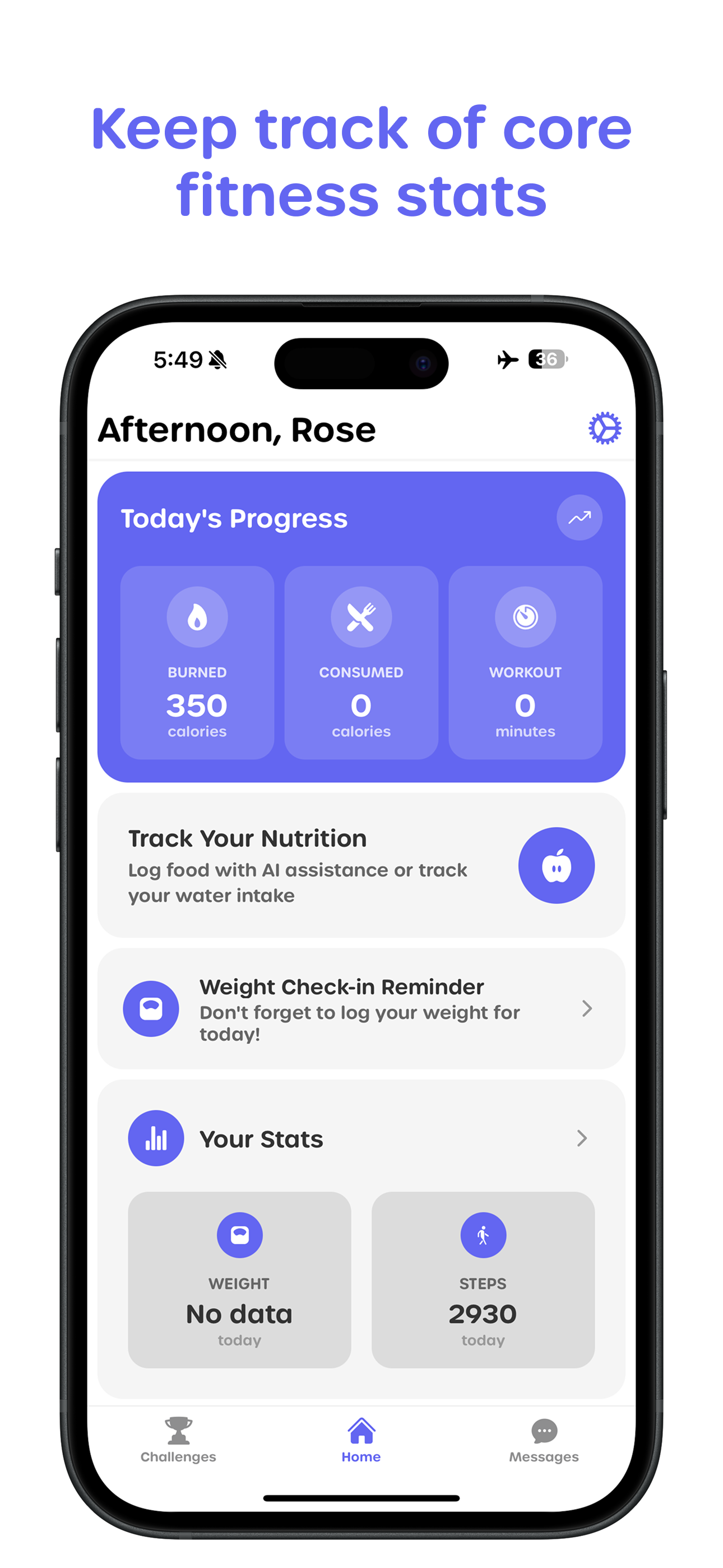
Ready to start your fitness journey? Download YOMP today and track your workouts, join challenges with friends, and stay motivated throughout your fitness journey. Our app makes it easy to log workouts, track progress, and stay accountable—all for free.
Next Steps:
- Assess your current fitness level
- Choose your workout type
- Start with the beginner plan above
- Track your workouts
- Stay consistent and be patient
Remember, the best workout is the one you'll actually do. Start simple, stay consistent, and enjoy the journey!