Fitness Challenges with Friends: How to Stay Motivated Together (2025)
Discover how fitness challenges with friends can boost motivation and accountability. Learn how to create group challenges, stay motivated together, and achieve your fitness goals as a team.
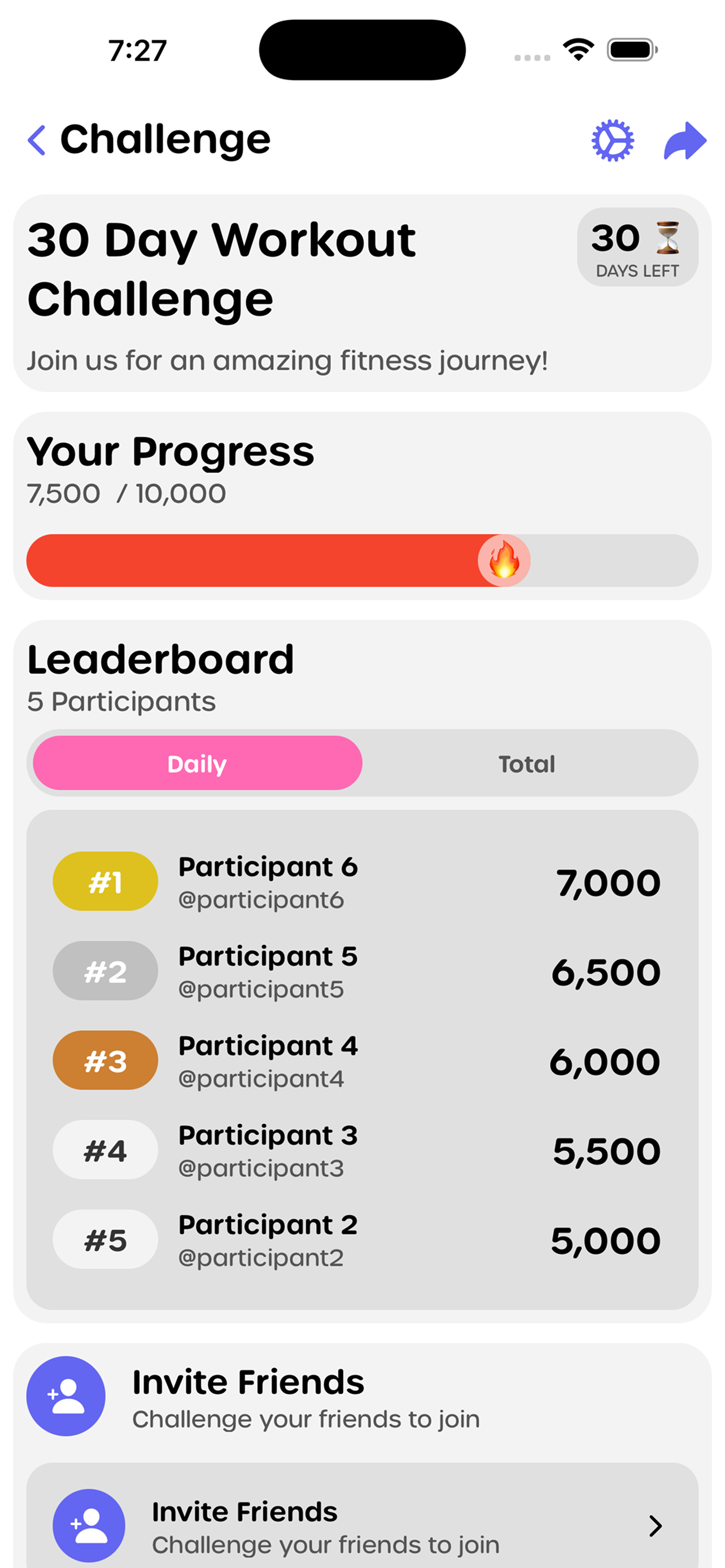
Working out alone can be tough. Motivation fades, excuses pile up, and it's easy to skip workouts when no one's watching. But when you work out with friends, everything changes. Research shows that people who exercise with others are more likely to stick with their fitness goals and achieve better results.
Fitness challenges with friends combine the power of social accountability with friendly competition, creating a powerful motivation system that helps everyone succeed. This guide will show you how to create and run fitness challenges with friends that actually work.
Why Fitness Challenges with Friends Work
The Science Behind Social Fitness
Multiple studies demonstrate the power of social fitness:
Accountability Factor
- 95% of people who share goals with friends achieve them
- Social accountability increases workout consistency by 40%
- Group challenges have 3x higher completion rates
- Friends provide motivation during difficult times
Competition Benefits
- Friendly competition boosts performance by 50%
- People push harder when others are watching
- Competitive elements increase engagement
- Shared goals create stronger commitment
Support System
- Friends provide encouragement during setbacks
- Group celebrates wins together
- Shared struggles create bonds
- Mutual support reduces dropout rates
Psychological Benefits
Motivation Maintenance
- External accountability reduces reliance on willpower
- Social pressure keeps you consistent
- Group momentum carries you through slumps
- Shared commitment makes quitting harder
Emotional Support
- Friends understand your struggles
- Group provides encouragement
- Shared experiences build connection
- Reduces feelings of isolation
Fun Factor
- Challenges make fitness more enjoyable
- Social interaction adds entertainment
- Friendly competition is engaging
- Group activities feel less like work
Types of Fitness Challenges with Friends
Step Challenges
What They Are:
- Daily step count competitions
- Weekly or monthly step goals
- Team vs team competitions
- Individual leaderboards
Why They Work:
- Easy to track (smartphones work)
- Accessible to all fitness levels
- Can be done anywhere
- Creates daily engagement
How to Set Up:
- Choose duration (7, 14, or 30 days)
- Set daily step goal (8,000-12,000)
- Use fitness app to track
- Create group chat for updates
- Celebrate daily winners
Workout Challenges
What They Are:
- Complete X workouts per week
- Follow same workout program
- Try new exercises together
- Consistency competitions
Why They Work:
- Structured and clear goals
- Easy to verify completion
- Builds workout habits
- Creates shared experience
How to Set Up:
- Define workout requirements
- Set frequency (3-5x per week)
- Choose workout type or program
- Track completion daily
- Share progress in group
Weight Loss Challenges
What They Are:
- Group weight loss competitions
- Percentage-based goals
- Team weight loss totals
- Sustainable approach focus
Why They Work:
- Shared goals create accountability
- Team support during plateaus
- Celebrating together boosts motivation
- Reduces isolation in journey
How to Set Up:
- Set realistic goals (1-2 lbs/week)
- Weekly weigh-ins
- Track nutrition together
- Support each other
- Focus on health, not just weight
Strength Challenges
What They Are:
- Progressive strength goals
- Lift more weight over time
- Complete more reps
- Build muscle together
Why They Work:
- Clear, measurable progress
- Friendly competition pushes limits
- Shared learning and tips
- Celebrating strength gains
How to Set Up:
- Choose exercises to track
- Set starting baseline
- Define progression rules
- Track weekly improvements
- Celebrate personal records
How to Create a Fitness Challenge with Friends
Step 1: Recruit Your Challenge Group
Start with Close Friends
- Invite friends who are committed
- People you know will participate
- Similar fitness levels (optional)
- Supportive and encouraging people
Ideal Group Size
- 3-5 people: Intimate and supportive
- 5-10 people: Good competition
- 10-20 people: More competitive
- 20+ people: Very competitive
Where to Find Participants
- Existing friend groups
- Work colleagues
- Family members
- Online fitness communities
- Social media groups
Step 2: Choose Your Challenge Type
Consider Group Preferences
- What activities does everyone enjoy?
- What fitness levels are represented?
- What are individual goals?
- What's realistic for everyone?
Match Challenge to Goals
- Weight loss → Weight loss challenge
- Building habits → Step challenge
- Getting stronger → Strength challenge
- General fitness → Workout challenge
Start Simple
- Don't overcomplicate first challenge
- Choose something everyone can do
- Make it easy to track
- Ensure it's sustainable
Step 3: Set Challenge Parameters
Duration
- 7 days: Quick boost, good for beginners
- 14 days: Build habits, moderate commitment
- 30 days: Significant change, serious commitment
- Choose based on group preference
Rules and Guidelines
- Define what counts as completion
- Set tracking requirements
- Establish communication expectations
- Create fair competition rules
Goals and Targets
- Set realistic, achievable goals
- Account for different fitness levels
- Make goals measurable
- Ensure everyone can participate
Step 4: Choose Your Tracking Method
Fitness Apps
- Built-in challenge features
- Automatic tracking
- Leaderboards
- Social features
- Easy to use
Spreadsheet Tracking
- Simple and flexible
- Easy to share
- Customizable
- Works for any group size
Group Chat
- Daily check-ins
- Progress sharing
- Encouragement
- Problem-solving
Hybrid Approach
- App for individual tracking
- Group chat for communication
- Spreadsheet for overview
- Best of both worlds
Step 5: Launch Your Challenge
Pre-Challenge Meeting
- Explain rules and structure
- Set expectations
- Answer questions
- Build excitement
- Create group chat
Day 1 Kickoff
- Official start announcement
- Remind everyone of goals
- Share tracking instructions
- Set positive tone
- Encourage participation
Daily Engagement
- Morning motivation messages
- Midday check-ins
- Evening progress updates
- Celebrate daily wins
- Support those struggling
Strategies to Stay Motivated Together
Daily Communication
Morning Motivation
- Send daily reminder messages
- Share motivational quotes
- Encourage starting the day strong
- Build excitement for the day
Progress Updates
- Share daily progress
- Celebrate achievements
- Acknowledge effort
- Maintain engagement
Evening Check-Ins
- Final progress sharing
- Daily winner announcements
- Plan for tomorrow
- Celebrate completion
Celebrate Wins Together
Daily Celebrations
- Recognize daily achievements
- Highlight improvements
- Share success stories
- Maintain positive atmosphere
Weekly Milestones
- Celebrate week completion
- Recognize consistency
- Highlight top performers
- Group achievements
Challenge Completion
- Final celebration event
- Share final results
- Recognize everyone's effort
- Plan next challenge
Support During Struggles
Encouragement
- Support those having tough days
- Remind of goals and progress
- Offer solutions to obstacles
- Prevent dropouts
Problem-Solving
- Help with tracking issues
- Suggest alternatives
- Adjust goals if needed
- Maintain inclusivity
Accountability
- Gently check in on missing participants
- Remind of commitments
- Offer support and solutions
- Keep everyone engaged
Common Challenges and Solutions
Challenge: Different Fitness Levels
Problem:
- Some people are more advanced
- Goals feel unfair
- Competition seems impossible
- People feel discouraged
Solutions:
- Use percentage-based goals
- Focus on improvement, not absolute numbers
- Create different categories
- Emphasize personal bests
- Supportive, not competitive atmosphere
Challenge: Motivation Dips
Problem:
- Mid-challenge slump
- Loss of enthusiasm
- People start skipping
- Challenge feels like a chore
Solutions:
- Increase group communication
- Share more encouragement
- Remind of goals and progress
- Add fun elements or mini-challenges
- Celebrate small wins more
Challenge: Scheduling Conflicts
Problem:
- Different schedules
- Hard to coordinate
- People miss check-ins
- Inconsistent participation
Solutions:
- Flexible tracking times
- Asynchronous communication
- Set reasonable deadlines
- Accommodate different schedules
- Focus on consistency, not timing
Challenge: Technical Issues
Problem:
- Tracking app problems
- Devices not syncing
- Confusion about rules
- Data discrepancies
Solutions:
- Provide clear instructions
- Offer multiple tracking options
- Have backup methods
- Help troubleshoot
- Be flexible with verification
Making Challenges Fun and Engaging
Add Creative Elements
Themes
- Weekly themes (e.g., "Cardio Week")
- Fun challenges within challenge
- Costume days (optional)
- Creative elements
Mini-Challenges
- Daily mini-goals
- Weekly special challenges
- Bonus points for extra effort
- Variety keeps it interesting
Rewards and Recognition
- Virtual badges or awards
- Recognition in group
- Celebration messages
- Highlight achievements
Social Elements
Group Activities
- Workout together when possible
- Virtual workout sessions
- Share workout photos
- Group challenges
Sharing and Support
- Share progress photos
- Post achievements
- Encourage each other
- Build community
Friendly Competition
- Leaderboards
- Daily winners
- Team competitions
- Fun rivalry
Tracking Progress Together
What to Track
Daily Metrics
- Workout completion
- Steps taken
- Workouts completed
- Consistency
Weekly Metrics
- Total workouts
- Average steps
- Progress toward goals
- Improvements
Challenge Metrics
- Overall completion rate
- Final results
- Personal improvements
- Group achievements
How to Track
Fitness Apps
- Automatic tracking
- Real-time updates
- Leaderboards
- Progress visualization
Group Spreadsheet
- Shared document
- Everyone updates
- Visual progress
- Easy to view
Group Chat
- Daily updates
- Progress sharing
- Quick check-ins
- Encouragement
Maintaining Long-Term Success
Transition After Challenge
Continue Habits
- Don't stop after challenge ends
- Maintain workout routines
- Keep tracking
- Stay connected with group
Plan Next Challenge
- Start planning next one
- Build on success
- Try new challenge types
- Keep momentum going
Build Community
- Stay in touch with group
- Continue supporting each other
- Share ongoing progress
- Create lasting fitness friendships
Scaling Your Challenges
Increase Difficulty
- Make goals more challenging
- Extend challenge duration
- Add more requirements
- Progress gradually
Try New Types
- Experiment with different challenges
- Mix up challenge formats
- Keep it fresh and interesting
- Prevent boredom
Expand Group
- Add new participants
- Invite friends of friends
- Grow your fitness community
- More people, more fun
Frequently Asked Questions
How many people should be in a fitness challenge?
Ideal group size is 5-10 people. This provides good competition while remaining manageable. Smaller groups (3-5) are more intimate, while larger groups (10+) are more competitive.
What's the best duration for a fitness challenge?
Start with 7-14 days for beginners, then progress to 30-day challenges. Shorter challenges are easier to commit to, while longer challenges create more lasting habits.
Do we all need to do the same workouts?
No! Challenges can focus on consistency (completing workouts) rather than specific exercises. This allows everyone to do activities they enjoy while still participating together.
What if someone falls behind?
Be supportive and encouraging. Check in with them, offer help, and adjust goals if needed. The goal is participation and improvement, not perfection.
How do we track progress fairly?
Use percentage-based goals, focus on improvement rather than absolute numbers, or create different categories for different fitness levels. The key is making it fair and inclusive.
Can we do challenges with friends in different locations?
Absolutely! Fitness apps make it easy to track progress together remotely. Group chats keep everyone connected regardless of location.
What if someone wants to quit?
Encourage them to stay, but don't force participation. Sometimes people need breaks. They can rejoin the next challenge when ready.
How do we keep challenges fun and not stressful?
Focus on support over competition, celebrate all progress, be flexible with rules, and remember the goal is health and fun, not stress.
Conclusion
Fitness challenges with friends are one of the most effective ways to stay motivated and achieve your fitness goals. The combination of social accountability, friendly competition, and mutual support creates a powerful system that helps everyone succeed.
The key to success is starting simple, staying consistent, and maintaining a supportive atmosphere. Whether you're doing step challenges, workout challenges, or weight loss challenges, the social element makes fitness more enjoyable and sustainable.
Ready to start a fitness challenge with your friends? Download YOMP today and create your challenge. Our app makes it easy to track workouts, join challenges with friends, stay accountable, and achieve your fitness goals together—all for free.
Next Steps:
- Recruit your challenge group
- Choose your challenge type
- Set up tracking system
- Launch your challenge
- Stay engaged and support each other
Remember, the best fitness challenges are those that bring friends together, build healthy habits, and create lasting motivation. Start yours today!