How to Start a Fitness Challenge That Actually Works: The Complete Guide
Learn how to design and execute fitness challenges that deliver real results. Discover the science-backed strategies that make challenges successful and sustainable.
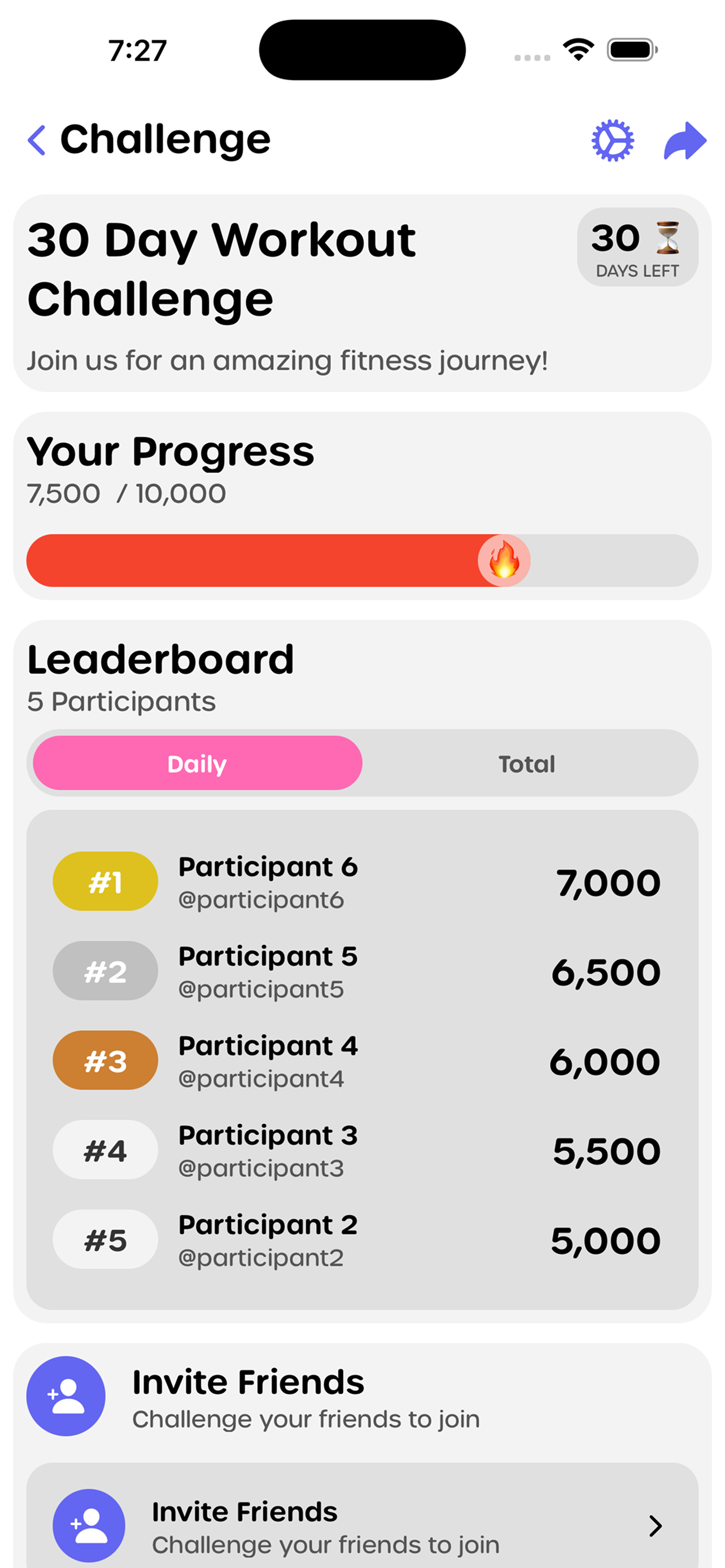
Fitness challenges are everywhere—30-day abs challenges, step challenges, weight loss competitions. But here's the reality: most fitness challenges fail. People start with enthusiasm, lose momentum after a few weeks, and end up right back where they started, feeling discouraged and defeated.
The problem isn't with challenges themselves—it's with how they're designed and executed. A well-designed fitness challenge can be transformative, creating lasting habits and delivering real results. A poorly designed one is just another failed attempt that chips away at your confidence.
This comprehensive guide will show you how to create and participate in fitness challenges that actually work. Whether you're starting your own challenge or joining one, these evidence-based strategies will set you up for success.
Why Most Fitness Challenges Fail
Understanding why challenges fail is the first step to creating ones that succeed.
Common Failure Points
Unrealistic Expectations
- Expecting dramatic results in 30 days
- Setting goals that aren't achievable
- Comparing to others' results
- Wanting instant transformation
- Not accounting for plateaus
Lack of Structure
- No clear rules or guidelines
- Vague goals and objectives
- Missing accountability systems
- No progress tracking mechanisms
- Unclear start and end points
Poor Planning
- Not considering life circumstances
- Ignoring individual differences
- No contingency plans
- Missing support systems
- Inadequate preparation
Motivation Fades
- Initial excitement wears off
- No systems to maintain momentum
- Missing milestones and rewards
- Lack of community support
- Goals feel too far away
All-or-Nothing Thinking
- One missed day feels like failure
- Perfectionism derails progress
- No flexibility for real life
- Quitting after setbacks
- Not adapting when needed
The Science of Successful Challenges
Research shows that certain elements significantly increase challenge success rates.
Key Success Factors
Accountability
- Public commitment increases completion rates by 65%
- Regular check-ins maintain engagement
- Social support boosts motivation
- Shared goals create community
- External accountability works
Progress Tracking
- Visible progress maintains motivation
- Data shows what's working
- Adjustments based on feedback
- Celebrating small wins
- Patterns become clear
Realistic Goals
- Achievable targets increase success
- Small wins build confidence
- Progressive difficulty maintains challenge
- Individualized goals work better
- Process goals beat outcome goals
Flexibility
- Life happens, plans adapt
- Perfection isn't required
- Consistency beats intensity
- Recovery is important
- Sustainable approaches win
Community Support
- Social connection boosts adherence
- Shared experiences create bonds
- Encouragement from others helps
- Learning from peers
- Fun factor increases participation
Step 1: Define Your Challenge Goals
Clear, specific goals are the foundation of any successful challenge.
Types of Goals
Outcome Goals
- Weight loss targets
- Strength improvements
- Endurance milestones
- Body composition changes
- Performance benchmarks
Process Goals
- Daily workout completion
- Consistent tracking
- Nutrition adherence
- Sleep quality
- Stress management
Behavior Goals
- Building habits
- Establishing routines
- Creating systems
- Developing skills
- Changing patterns
Setting SMART Goals
Specific
- Clear and well-defined
- No ambiguity
- Concrete targets
- Measurable outcomes
- Action-oriented
Measurable
- Quantifiable metrics
- Trackable progress
- Data-driven
- Objective measures
- Clear benchmarks
Achievable
- Realistic for your situation
- Account for constraints
- Consider your starting point
- Factor in life circumstances
- Set yourself up for success
Relevant
- Aligned with your values
- Meaningful to you
- Supports bigger picture
- Worth the effort
- Personal motivation
Time-Bound
- Clear start date
- Defined end date
- Milestone checkpoints
- Regular reviews
- Deadline creates urgency
Example Challenge Goals
30-Day Step Challenge
- Outcome: Increase daily steps by 50%
- Process: Walk 10,000 steps daily
- Behavior: Track steps every day
- Measurement: Step count data
- Timeline: 30 days with weekly check-ins
Weight Loss Challenge
- Outcome: Lose 4-8 pounds
- Process: Create 500-calorie daily deficit
- Behavior: Track food and exercise daily
- Measurement: Weekly weigh-ins
- Timeline: 8 weeks with bi-weekly reviews
Strength Challenge
- Outcome: Increase strength by 20%
- Process: Follow structured program 4x/week
- Behavior: Complete all workouts
- Measurement: Lift progressions
- Timeline: 6 weeks with weekly testing
Step 2: Choose the Right Challenge Type
Different challenge types work for different goals and personalities.
Step Challenges
Best For
- Beginners starting fitness journey
- People who want low-impact activity
- Building daily movement habits
- Social, competitive environments
- Long-term habit formation
Structure
- Daily step targets
- Weekly or monthly duration
- Team or individual format
- Progress tracking via app
- Leaderboards for motivation
Success Factors
- Realistic daily targets
- Gradual increases
- Accountability partners
- Regular check-ins
- Fun competition element
Weight Loss Challenges
Best For
- People with specific weight goals
- Those ready for structured approach
- Individuals needing accountability
- Time-bound weight loss goals
- Group support environments
Structure
- Calorie targets or meal plans
- Regular weigh-ins
- Exercise requirements
- Progress photos
- Weekly check-ins
Success Factors
- Realistic expectations (1-2 lbs/week)
- Sustainable approach
- Focus on habits, not just scale
- Support and accountability
- Long-term mindset
Strength Challenges
Best For
- People wanting to build muscle
- Those with gym access
- Individuals ready for structured training
- Goal-oriented personalities
- Progressive improvement focus
Structure
- Specific workout programs
- Progressive overload
- Regular strength testing
- Form and technique focus
- Recovery protocols
Success Factors
- Proper form instruction
- Progressive difficulty
- Adequate recovery time
- Nutrition support
- Consistency over intensity
Habit-Building Challenges
Best For
- Creating lasting lifestyle changes
- Building multiple habits
- Long-term transformation
- People who struggle with consistency
- Sustainable change focus
Structure
- Daily habit tracking
- Small, incremental changes
- Focus on consistency
- Stack habits together
- Celebrate small wins
Success Factors
- Start very small
- Focus on one habit at a time
- Build gradually
- Track consistently
- Maintain long-term
Step 3: Design the Challenge Structure
A well-structured challenge provides clarity, accountability, and motivation.
Duration Considerations
Short Challenges (7-14 days)
- Good for trying new things
- Low commitment barrier
- Quick wins and momentum
- Testing what works
- Building confidence
Medium Challenges (30 days)
- Most common duration
- Enough time for results
- Habit formation period
- Manageable commitment
- Good balance
Long Challenges (60-90 days)
- Significant transformation time
- Deep habit formation
- More sustainable results
- Requires more planning
- Better for major goals
Rules and Guidelines
Clear Participation Rules
- Who can join
- What's required
- How to track progress
- Check-in requirements
- Completion criteria
Flexibility Provisions
- What counts as completion
- How to handle missed days
- Make-up options
- Rest day policies
- Life happens clauses
Success Metrics
- How progress is measured
- What counts as winning
- Individual vs team goals
- Milestone celebrations
- Final outcomes
Accountability Systems
Daily Check-Ins
- Quick progress updates
- Share wins and struggles
- Maintain engagement
- Early problem detection
- Community connection
Weekly Reviews
- Progress assessment
- Goal adjustments
- Strategy refinement
- Celebrate milestones
- Plan ahead
Partner or Group Support
- Accountability buddies
- Team challenges
- Shared goals
- Mutual encouragement
- Friendly competition
Public Commitment
- Share your challenge
- Post progress updates
- Create external accountability
- Build support network
- Increase completion rates
Step 4: Set Up Tracking Systems
What gets measured gets managed. Effective tracking is crucial for challenge success.
What to Track
Primary Metrics
- Challenge-specific goals (steps, weight, strength)
- Daily completion status
- Progress over time
- Consistency rates
- Milestone achievements
Supporting Metrics
- Energy levels
- Sleep quality
- Mood and motivation
- Workout performance
- Nutrition adherence
Context Data
- Life circumstances
- Challenges faced
- Strategies that worked
- What didn't work
- Lessons learned
Tracking Tools
Fitness Apps
- Step counters
- Workout loggers
- Progress photos
- Habit trackers
- Challenge platforms
Manual Tracking
- Journals and logs
- Spreadsheets
- Calendars
- Checklists
- Progress charts
Photo Documentation
- Before and after photos
- Progress pictures
- Meal photos
- Workout documentation
- Visual progress tracking
Making Tracking Easy
Automate When Possible
- Use apps that sync automatically
- Set reminders and notifications
- Link to existing habits
- Reduce friction
- Make it convenient
Keep It Simple
- Don't overcomplicate
- Focus on key metrics
- Quick daily check-ins
- Weekly detailed reviews
- Sustainable approach
Make It Visual
- Charts and graphs
- Progress photos
- Visual reminders
- Dashboard views
- Celebrate visually
Step 5: Build Support and Community
Challenges are more successful with support. Here's how to build it.
Finding Accountability Partners
Where to Look
- Friends and family
- Work colleagues
- Online communities
- Fitness groups
- Challenge participants
What Makes a Good Partner
- Similar goals and commitment level
- Positive and supportive
- Reliable and consistent
- Good communicator
- Mutual accountability
How to Work Together
- Regular check-ins
- Share progress and struggles
- Encourage each other
- Problem-solve together
- Celebrate together
Creating Challenge Communities
Online Groups
- Social media groups
- Messaging apps
- Challenge platforms
- Forums and communities
- Virtual meetups
In-Person Groups
- Local fitness groups
- Workplace challenges
- Community centers
- Gym challenges
- Friend groups
Community Activities
- Daily check-ins
- Weekly challenges
- Progress sharing
- Tips and advice
- Celebrations and recognition
Getting Professional Support
When to Seek Help
- Medical concerns
- Injury or limitations
- Nutrition questions
- Program design
- Motivation struggles
Types of Support
- Personal trainers
- Nutritionists
- Physical therapists
- Health coaches
- Medical professionals
Step 6: Plan for Obstacles
Challenges will face obstacles. Planning for them increases success rates.
Common Obstacles
Time Constraints
- Busy schedules
- Unexpected commitments
- Work demands
- Family responsibilities
- Social obligations
Motivation Dips
- Initial excitement fades
- Progress plateaus
- Setbacks occur
- Life gets stressful
- Goals feel distant
Physical Challenges
- Injuries or pain
- Illness
- Fatigue
- Soreness
- Limitations
Social Pressures
- Social events
- Peer pressure
- Family dynamics
- Work culture
- Temptations
Contingency Planning
Flexible Rules
- Built-in rest days
- Make-up options
- Modified activities
- Alternative exercises
- Grace periods
Adaptation Strategies
- Adjust goals if needed
- Modify intensity
- Change approach
- Extend timeline
- Pivot when necessary
Support Systems
- Accountability check-ins
- Encouragement from others
- Professional help
- Resources and tools
- Community support
Handling Setbacks
Normalize Setbacks
- They're part of the process
- Everyone faces them
- Not failure, just data
- Learning opportunities
- Growth moments
Recovery Strategies
- Acknowledge what happened
- Learn from experience
- Adjust plan if needed
- Get back on track quickly
- Don't let one setback derail everything
Prevention Tactics
- Plan for common obstacles
- Build in flexibility
- Create support systems
- Set realistic expectations
- Maintain perspective
Step 7: Maintain Motivation Throughout
Motivation naturally fluctuates. These strategies help maintain it.
Intrinsic Motivation
Connect to Values
- Why does this matter to you?
- What will success mean?
- How does it align with values?
- What's the bigger picture?
- Personal meaning
Focus on Process
- Enjoy the journey
- Celebrate small wins
- Find joy in activities
- Appreciate progress
- Love the process
Autonomy and Choice
- Choose activities you enjoy
- Control your approach
- Make it your own
- Personalize the challenge
- Own your journey
Extrinsic Motivation
Rewards and Incentives
- Milestone rewards
- Completion prizes
- Progress celebrations
- Small treats
- Meaningful incentives
Social Recognition
- Share progress
- Celebrate publicly
- Recognition from others
- Community support
- Friendly competition
Accountability Pressure
- Public commitments
- Regular check-ins
- Partner accountability
- Group expectations
- External motivation
Motivation Maintenance Strategies
Regular Reflection
- Review why you started
- Remember your goals
- Celebrate progress
- Adjust as needed
- Stay connected to purpose
Variety and Fun
- Mix up activities
- Try new things
- Keep it interesting
- Add fun elements
- Prevent boredom
Progress Visualization
- Track and display progress
- See how far you've come
- Visual reminders
- Charts and graphs
- Before and after comparisons
Step 8: Execute and Iterate
Execution is where plans meet reality. Here's how to make it work.
Starting Strong
Preparation Phase
- Set up tracking systems
- Gather resources
- Plan meals and workouts
- Schedule activities
- Build support network
Launch Strategy
- Clear start date
- Public commitment
- Initial momentum
- Early wins
- Strong foundation
First Week Focus
- Establish routines
- Build habits
- Track everything
- Stay consistent
- Create momentum
Maintaining Momentum
Weekly Routines
- Regular check-ins
- Progress reviews
- Goal adjustments
- Plan ahead
- Stay engaged
Monthly Reviews
- Assess overall progress
- Evaluate what's working
- Identify improvements
- Adjust strategies
- Celebrate achievements
Staying Flexible
- Adapt to life circumstances
- Modify when needed
- Don't be rigid
- Maintain consistency
- Stay sustainable
Iterating and Improving
Continuous Learning
- What's working?
- What's not working?
- Why are things happening?
- How can we improve?
- What to try next?
Making Adjustments
- Tweak goals if needed
- Modify approaches
- Change strategies
- Update plans
- Improve continuously
Long-Term Thinking
- Build sustainable habits
- Think beyond challenge
- Create lasting change
- Maintain progress
- Continue growing
Step 9: Measure Success Beyond Numbers
Success isn't just about hitting targets. Here's how to measure it comprehensively.
Quantitative Metrics
Primary Goals
- Challenge-specific targets
- Progress toward goals
- Consistency rates
- Completion percentages
- Numerical achievements
Supporting Data
- Energy levels
- Sleep quality
- Performance metrics
- Body measurements
- Health markers
Qualitative Metrics
Habits Formed
- New routines established
- Behaviors changed
- Patterns created
- Systems built
- Lifestyle improvements
Knowledge Gained
- What works for you
- What doesn't work
- How your body responds
- What you enjoy
- What's sustainable
Confidence Built
- Belief in abilities
- Self-efficacy increased
- Comfort with process
- Trust in yourself
- Growth mindset
Long-Term Impact
Habit Sustainability
- Are habits maintained?
- Can you continue?
- Is it sustainable?
- Long-term viability
- Lasting change
Lifestyle Integration
- Fits into your life
- Natural and easy
- Enjoyable process
- Sustainable approach
- Integrated lifestyle
Step 10: Transition Beyond the Challenge
The challenge ends, but your journey continues. Here's how to maintain progress.
Post-Challenge Planning
Before Challenge Ends
- Plan what comes next
- Set new goals
- Maintain habits
- Continue tracking
- Build on success
Maintenance Strategies
- Keep key habits
- Continue tracking
- Set new challenges
- Join ongoing programs
- Maintain community
Preventing Regression
- Identify key habits
- Maintain minimums
- Stay connected
- Continue accountability
- Regular check-ins
Building on Success
Next Steps
- Set new goals
- Try new challenges
- Increase difficulty
- Explore new areas
- Continue growing
Long-Term Vision
- Where do you want to be?
- What's the bigger picture?
- How does this fit?
- What's next?
- Long-term goals
Common Challenge Mistakes to Avoid
Overcomplicating
Keep It Simple
- Don't add too many rules
- Focus on essentials
- Avoid perfectionism
- Make it manageable
- Stay sustainable
Being Too Rigid
Stay Flexible
- Life happens
- Adapt when needed
- Don't be all-or-nothing
- Allow for adjustments
- Maintain consistency
Ignoring Individual Differences
Personalize
- What works for others may not work for you
- Adjust to your situation
- Consider your preferences
- Account for limitations
- Make it your own
Focusing Only on Outcomes
Process Matters
- Celebrate the journey
- Value habits formed
- Appreciate learning
- Enjoy the process
- Focus on growth
Conclusion
Starting a fitness challenge that actually works requires thoughtful planning, realistic expectations, proper structure, and strong support systems. By following these evidence-based strategies, you can create or participate in challenges that deliver real results and create lasting change.
Remember, the best challenges are those that are sustainable, enjoyable, and aligned with your goals and values. Whether you're starting a 30-day step challenge, a weight loss competition, or a strength-building program, the principles remain the same: clear goals, proper structure, effective tracking, strong support, and flexibility to adapt.
The key to challenge success isn't perfection—it's consistency, adaptability, and maintaining momentum even when motivation wanes. With the right approach, fitness challenges can be powerful tools for transformation.
Ready to start your own fitness challenge? Download YOMP and create or join challenges with friends. Our platform makes it easy to track progress, stay accountable, and achieve your fitness goals together.
Key Takeaways:
- Most challenges fail due to unrealistic expectations and poor structure
- Successful challenges have clear goals, accountability, and support systems
- Choose challenge types that align with your goals and personality
- Effective tracking and regular check-ins maintain momentum
- Flexibility and adaptation are crucial for long-term success
- Community support significantly increases completion rates
- Focus on building sustainable habits, not just hitting targets
- Plan for obstacles and have contingency strategies ready
- Measure success beyond numbers—habits and lifestyle matter too
- Transition planning helps maintain progress after challenges end
Next Steps:
- Define your challenge goals using the SMART framework
- Choose a challenge type that fits your goals
- Set up tracking systems and accountability
- Build your support network
- Start with a clear plan but stay flexible
- Focus on consistency over perfection
- Celebrate progress and learn from setbacks
- Plan for life beyond the challenge
Remember, the best fitness challenge is one you can complete and maintain. Start where you are, use what you have, and do what you can. Success comes from consistent action, not perfect execution.