The Real Reason Fitness Challenges Fail (And How to Fix It)
Discover why 90% of fitness challenges fail and learn the science-backed strategies to design challenges that actually deliver lasting results and create sustainable habits.
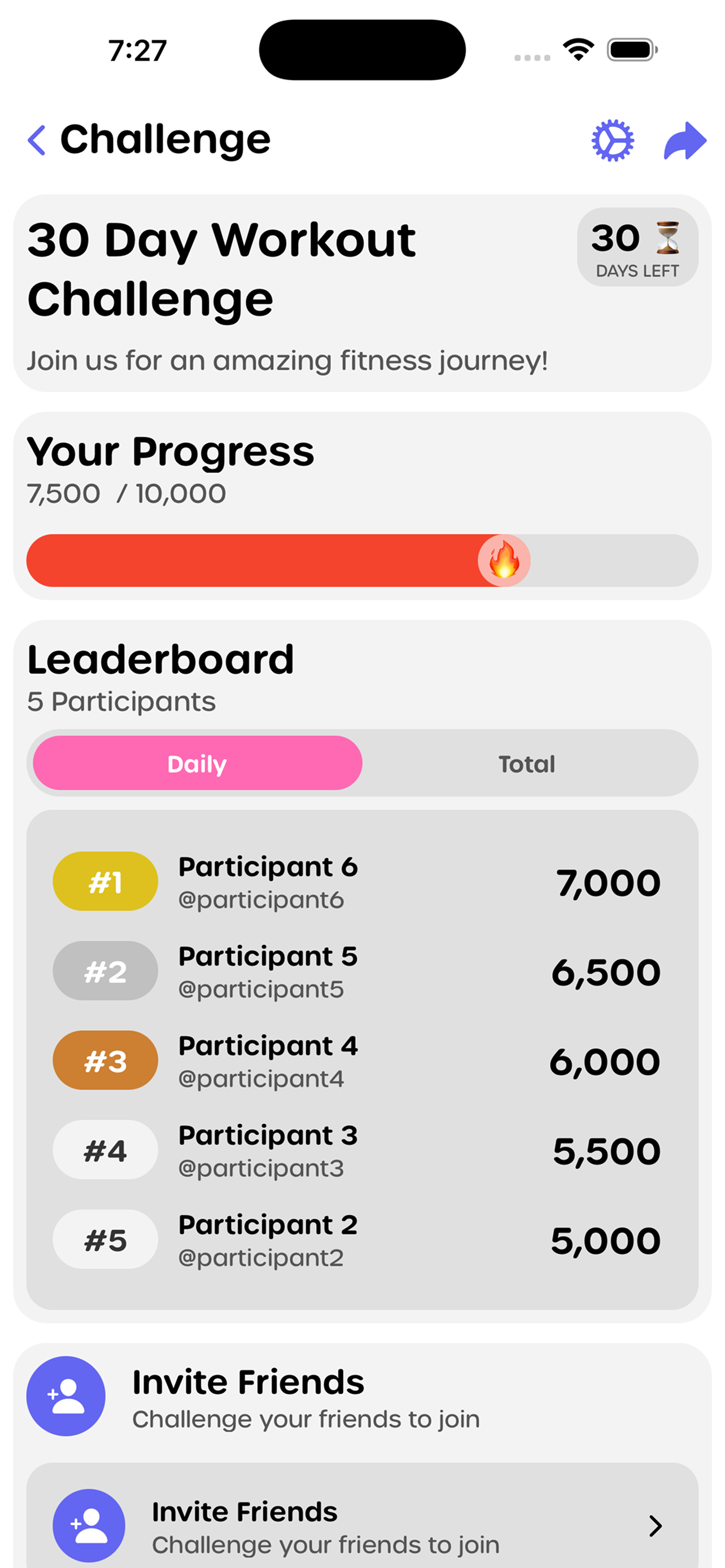
Fitness challenges are everywhere. 30-day abs challenges, step challenges, weight loss competitions—they promise transformation, motivation, and results. But here's the uncomfortable truth: most fitness challenges fail. Studies show that 80-90% of challenge participants don't complete them, and even fewer maintain results long-term.
The problem isn't with the people participating—it's with how challenges are designed. Most challenges are set up to fail from the start, focusing on the wrong things and ignoring the science of behavior change. This article will reveal the real reasons fitness challenges fail and provide evidence-based solutions to fix them.
The Failure Statistics
Before diving into why challenges fail, let's look at the numbers.
The Harsh Reality
Completion Rates
- 80-90% of challenges are abandoned
- Most quit within first 2-3 weeks
- Only 5-10% complete challenges
- Even fewer maintain results
- Pattern repeats across challenge types
Why This Matters
- Creates cycle of failure
- Damages self-confidence
- Wastes time and effort
- Prevents real progress
- Discourages future attempts
The Pattern
How It Unfolds
- Initial enthusiasm and commitment
- Strong start for first week
- Motivation begins to fade
- Missed days create guilt
- Perfectionism derails progress
- Eventually giving up
- Feeling like a failure
- Repeat cycle later
Why It Repeats
- Same flawed design
- Same unrealistic expectations
- Same lack of support
- Same all-or-nothing thinking
- Same unsustainable approach
The Real Reasons Challenges Fail
Understanding why challenges fail is the first step to fixing them.
Reason 1: Unrealistic Expectations
The Problem
- Expecting dramatic results in 30 days
- Setting goals that aren't achievable
- Comparing to others' results
- Wanting instant transformation
- Not accounting for plateaus
Why It Fails
- Sets people up for disappointment
- Creates pressure and stress
- Leads to giving up when results don't match expectations
- Focuses on outcomes over process
- Ignores reality of sustainable change
The Fix
- Set realistic, achievable goals
- Focus on process over outcomes
- Account for individual differences
- Expect gradual progress
- Celebrate small wins
Reason 2: All-or-Nothing Design
The Problem
- Perfect participation required
- One missed day feels like failure
- No flexibility for real life
- Rigid rules and requirements
- Perfectionism built into design
Why It Fails
- Life gets in the way
- Creates guilt and shame
- Leads to quitting after mistakes
- Doesn't account for human nature
- Unsustainable approach
The Fix
- Build in flexibility
- Allow for missed days
- Focus on consistency over perfection
- Provide make-up options
- Emphasize progress, not perfection
Reason 3: Lack of Proper Structure
The Problem
- Vague goals and objectives
- No clear rules or guidelines
- Missing accountability systems
- No progress tracking mechanisms
- Unclear start and end points
Why It Fails
- Participants don't know what to do
- Lack of clarity creates confusion
- No way to measure progress
- Missing accountability
- Feels disorganized
The Fix
- Clear, specific goals
- Well-defined rules
- Regular check-ins
- Progress tracking systems
- Structured framework
Reason 4: No Habit-Building Focus
The Problem
- Focuses on challenge completion
- Doesn't build lasting habits
- Temporary behavior change
- No transition planning
- Habits disappear after challenge
Why It Fails
- Changes don't last
- Results disappear quickly
- No foundation for long-term success
- Relies on willpower
- Unsustainable approach
The Fix
- Focus on habit formation
- Build sustainable behaviors
- Plan for life after challenge
- Create lasting change
- Establish routines
Reason 5: Insufficient Support Systems
The Problem
- Participants feel isolated
- No accountability partners
- Limited community engagement
- Missing encouragement
- Lack of guidance
Why It Fails
- Hard to maintain alone
- No motivation from others
- Missing support when struggling
- Easier to quit
- Less engaging
The Fix
- Build community
- Create accountability
- Provide regular support
- Encourage engagement
- Foster connections
Reason 6: Poor Planning and Preparation
The Problem
- Not considering life circumstances
- Ignoring individual differences
- No contingency plans
- Missing preparation phase
- Inadequate planning
Why It Fails
- Life gets in the way
- Participants aren't ready
- No plan for obstacles
- Unprepared for challenges
- Sets up for failure
The Fix
- Plan thoroughly
- Consider life circumstances
- Prepare participants
- Create contingency plans
- Account for obstacles
Reason 7: Focus on Competition Over Collaboration
The Problem
- Overly competitive environment
- Creates comparison and pressure
- Winners and losers mentality
- Discourages those behind
- Less supportive atmosphere
Why It Fails
- Creates stress and pressure
- Discourages participants
- Focuses on comparison
- Less supportive
- Can be demotivating
The Fix
- Balance competition and collaboration
- Focus on personal progress
- Celebrate all achievements
- Create supportive environment
- Emphasize improvement
Reason 8: No Long-Term Vision
The Problem
- Focuses only on challenge period
- No planning for after challenge
- Doesn't address sustainability
- Missing transition strategies
- Short-term thinking
Why It Fails
- Changes don't last
- No plan for maintenance
- Results disappear quickly
- Participants lose direction
- Unsustainable approach
The Fix
- Plan for long-term
- Address sustainability
- Create transition plans
- Focus on lasting change
- Build for future
How to Fix Challenges: Evidence-Based Solutions
Now that we understand why challenges fail, here's how to fix them.
Solution 1: Set Realistic, Achievable Goals
SMART Goals
- Specific and clear
- Measurable and trackable
- Achievable and realistic
- Relevant to participants
- Time-bound with deadlines
Process Over Outcomes
- Focus on daily actions
- Celebrate consistency
- Value progress over perfection
- Emphasize habits
- Trust the process
Individualized Goals
- Account for starting points
- Consider life circumstances
- Adjust for individual needs
- Personalize targets
- Set people up for success
Solution 2: Build in Flexibility
Flexible Rules
- Allow for missed days
- Provide make-up options
- Focus on weekly totals
- Emphasize consistency
- Don't require perfection
Grace Periods
- Built-in rest days
- Recovery time
- Flexibility for life
- Adapt to circumstances
- Maintain sustainability
Progressive Difficulty
- Start easier
- Build gradually
- Increase over time
- Account for adaptation
- Sustainable progression
Solution 3: Create Clear Structure
Well-Defined Framework
- Clear goals and objectives
- Specific rules and guidelines
- Defined start and end
- Regular check-in schedule
- Progress tracking system
Communication
- Clear instructions
- Regular updates
- Transparent expectations
- Open communication
- Support available
Organization
- Structured program
- Clear timeline
- Defined milestones
- Regular reviews
- Organized approach
Solution 4: Focus on Habit Formation
Habit-Building Design
- Small, incremental changes
- Focus on consistency
- Build automatic behaviors
- Create routines
- Establish patterns
Habit Stacking
- Link to existing habits
- Build on current routines
- Create connections
- Make it automatic
- Reduce willpower needed
Transition Planning
- Plan for after challenge
- Maintain habits post-challenge
- Create sustainability
- Build long-term foundation
- Support continuation
Solution 5: Build Strong Support Systems
Community Creation
- Foster connections
- Create groups
- Encourage interaction
- Build relationships
- Supportive environment
Accountability Systems
- Partner matching
- Regular check-ins
- Group accountability
- Peer support
- Mutual encouragement
Professional Support
- Expert guidance
- Answer questions
- Provide resources
- Offer encouragement
- Available help
Solution 6: Plan Thoroughly
Preparation Phase
- Assess readiness
- Set expectations
- Prepare participants
- Gather resources
- Plan logistics
Contingency Planning
- Plan for obstacles
- Have backup options
- Adjust when needed
- Stay flexible
- Adapt to circumstances
Life Integration
- Consider schedules
- Account for life
- Make it realistic
- Fit into lives
- Sustainable approach
Solution 7: Balance Competition and Support
Collaborative Competition
- Personal progress focus
- Celebrate all achievements
- Supportive competition
- Encourage improvement
- Positive environment
Recognition Systems
- Acknowledge effort
- Celebrate consistency
- Recognize progress
- Appreciate participation
- Value all contributions
Supportive Atmosphere
- Encouraging environment
- Positive reinforcement
- Mutual support
- Help each other
- Collaborative spirit
Solution 8: Plan for Long-Term Success
Sustainability Focus
- Build lasting habits
- Create routines
- Establish systems
- Plan for maintenance
- Long-term thinking
Transition Strategies
- Plan for after challenge
- Maintain progress
- Continue habits
- Support continuation
- Build on success
Ongoing Support
- Post-challenge resources
- Continued community
- Maintenance strategies
- Long-term support
- Sustainable approach
Designing Successful Challenges
Key Elements of Successful Challenges
Realistic Goals
- Achievable targets
- Individualized when possible
- Process-focused
- Gradual progression
- Sustainable approach
Flexible Structure
- Built-in flexibility
- Allow for life
- Focus on consistency
- Don't require perfection
- Adaptable framework
Clear Framework
- Well-defined structure
- Clear rules
- Regular check-ins
- Progress tracking
- Organized approach
Habit Focus
- Build lasting habits
- Focus on behaviors
- Create routines
- Establish patterns
- Long-term foundation
Strong Support
- Community building
- Accountability systems
- Regular encouragement
- Available help
- Supportive environment
Thorough Planning
- Preparation phase
- Contingency plans
- Life integration
- Realistic expectations
- Well-organized
Long-Term Vision
- Sustainability focus
- Transition planning
- Maintenance strategies
- Continued support
- Lasting change
Example: Redesigned Challenge
Traditional Challenge (Fails)
Design
- 30-day perfect participation required
- Lose 10 pounds in 30 days
- No missed days allowed
- Competitive leaderboard only
- Ends after 30 days, no follow-up
Why It Fails
- Unrealistic expectations
- All-or-nothing design
- No flexibility
- Competitive pressure
- No long-term plan
Redesigned Challenge (Succeeds)
Design
- 8-week challenge with flexibility
- Realistic, individualized goals
- Focus on weekly consistency
- 80% completion target
- Supportive community
- Habit-building focus
- Transition planning included
Why It Succeeds
- Realistic expectations
- Flexible structure
- Supportive environment
- Habit formation
- Long-term planning
Implementation Guide
Phase 1: Preparation (Week Before)
Actions
- Set realistic goals
- Create flexible structure
- Build support systems
- Prepare participants
- Plan for obstacles
Focus
- Preparation
- Setting expectations
- Building foundation
- Creating systems
- Planning thoroughly
Phase 2: Challenge Period (Weeks 1-8)
Actions
- Maintain structure
- Provide regular support
- Track progress
- Adjust as needed
- Foster community
Focus
- Consistency
- Support
- Progress
- Flexibility
- Engagement
Phase 3: Transition (Weeks 9-12)
Actions
- Maintain habits
- Continue support
- Plan for long-term
- Provide resources
- Build sustainability
Focus
- Habit maintenance
- Long-term planning
- Continued support
- Sustainability
- Lasting change
Common Mistakes to Avoid
Mistake 1: Focusing Only on Completion
The Problem
- Completion becomes only goal
- Doesn't build habits
- Temporary change
- No long-term focus
- Unsustainable
The Solution
- Focus on habit formation
- Build lasting behaviors
- Plan for sustainability
- Create long-term change
- Value process over completion
Mistake 2: Ignoring Individual Differences
The Problem
- One-size-fits-all approach
- Doesn't account for differences
- Sets some up for failure
- Not personalized
- Ignores circumstances
The Solution
- Individualize when possible
- Account for differences
- Adjust for circumstances
- Personalize goals
- Set everyone up for success
Mistake 3: No Transition Planning
The Problem
- Challenge ends abruptly
- No plan for after
- Habits disappear
- Results don't last
- Participants lose direction
The Solution
- Plan for transition
- Maintain habits
- Provide ongoing support
- Create sustainability
- Build long-term foundation
Conclusion
Fitness challenges fail not because participants lack willpower or motivation, but because they're designed with fundamental flaws. Unrealistic expectations, all-or-nothing thinking, lack of structure, no habit-building focus, insufficient support, poor planning, over-competition, and no long-term vision all contribute to high failure rates.
The solution is to redesign challenges using evidence-based principles: realistic goals, flexible structure, clear framework, habit-building focus, strong support systems, thorough planning, balanced competition, and long-term vision. By fixing these design flaws, challenges can become powerful tools for creating lasting change.
Whether you're creating a challenge or participating in one, understanding why challenges fail and how to fix them is crucial for success. Focus on building sustainable habits, providing strong support, maintaining flexibility, and planning for long-term success.
Remember, the goal isn't just to complete a challenge—it's to create lasting change that improves lives long after the challenge ends. Design challenges that build habits, provide support, and create sustainable transformation.
Ready to create or join a challenge that actually works? Download YOMP and discover challenges designed with these principles in mind. Our platform makes it easy to create flexible, supportive challenges that build lasting habits and deliver real results.
Key Takeaways:
- 80-90% of fitness challenges fail due to design flaws, not participant shortcomings
- Unrealistic expectations set people up for disappointment and failure
- All-or-nothing design creates perfectionism and guilt that derails progress
- Lack of structure leaves participants confused and without clear direction
- Challenges that don't focus on habit-building create temporary change that doesn't last
- Insufficient support systems make it difficult to maintain motivation and consistency
- Poor planning fails to account for life circumstances and obstacles
- Over-competition creates stress and discourages participants who fall behind
- No long-term vision means changes don't last after the challenge ends
- Successful challenges focus on realistic goals, flexibility, habit-building, support, and sustainability
Next Steps:
- If creating a challenge: Apply these evidence-based design principles
- If joining a challenge: Look for challenges with these elements
- Set realistic, achievable goals focused on process over outcomes
- Build in flexibility and allow for life circumstances
- Focus on habit formation, not just challenge completion
- Create or seek strong support systems and community
- Plan thoroughly and account for obstacles
- Balance competition with collaboration and support
- Plan for long-term success and habit maintenance
- Design or choose challenges that create lasting change
Remember, the best challenges aren't about perfection or competition—they're about building sustainable habits, providing support, and creating lasting change. Design or choose challenges that set participants up for long-term success, not just short-term completion.